
Sciarabba Walker Blog
The information in these blog posts is provided for general informational purposes only and is not intended to substitute for accounting, tax, or financial advice from a professional accountant. While we use reasonable efforts to furnish accurate and up-to-date information, we do not warrant that any information contained in or made available through this blog is current or error free. No part of this communication is intended to be used for the purpose of avoiding penalties under U.S. federal tax law.

Go Green, Save Green: 2016 Tax Incentives
A quick look at the President-elect’s tax plan for businesses
The election of Donald Trump as President of the United States could result in major tax law changes in 2017. Proposed changes spelled out in Trump’s tax reform plan released earlier this year that would affect businesses include: Reducing the top corporate income tax...

There’s still time to set up a retirement plan for 2016
Saving for retirement can be tough if you are putting most of your money and time into operating a small business. However, many retirement plans are not difficult to set up, and it is important to start saving so you can enjoy a comfortable future. So if you haven’t...

It’s critical to be aware of the tax rules surrounding your NQDC plan
Nonqualified deferred compensation (NQDC) plans pay executives at some time in the future for services to be currently performed. They differ from qualified plans, such as 401(k)s, in that: NQDC plans can favor certain highly compensated employees, Although the...
Beware of income-based limits on itemized deductions and personal exemptions
Many tax breaks are reduced or eliminated for higher-income taxpayers. Two of particular note are the itemized deduction reduction and the personal exemption phaseout. Income thresholds If your adjusted gross income (AGI) exceeds the applicable threshold, most of your...

What the self-employed need to know about employment taxes
In addition to income tax, you must pay Social Security and Medicare taxes on earned income, such as salary and self-employment income. The 12.4% Social Security tax applies only up to the Social Security wage base of $118,500 for 2016. All earned income is subject to...
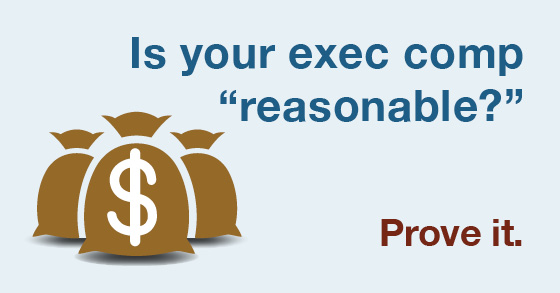
INFOGRAPHIC: Four tips to help ensure executive comp passes muster with the IRS

Are you timing business income and expenses to your tax advantage?
Typically, it is better to defer tax. One way is through controlling when your business recognizes income and incurs deductible expenses. Here are two timing strategies that can help businesses do this: Defer income to next year. If your business uses the cash method...

Tax-smart options for your old retirement plan when you change jobs
There’s a lot to think about when you change jobs, and it’s easy for a 401(k) or other employer-sponsored retirement plan to get lost in the shuffle. But to keep building tax-deferred savings, it is important to make an informed decision about your old plan. First and...

Fair Labor Standards Act (FLSA) Overtime Eligibility Regulations
The U.S. Department of Labor is implementing an updated rule regarding white collar employees’ exemptions from overtime eligibility. The new rule takes effect December 1, 2016, and can mean major changes for your business. The regulations determine whether a white...